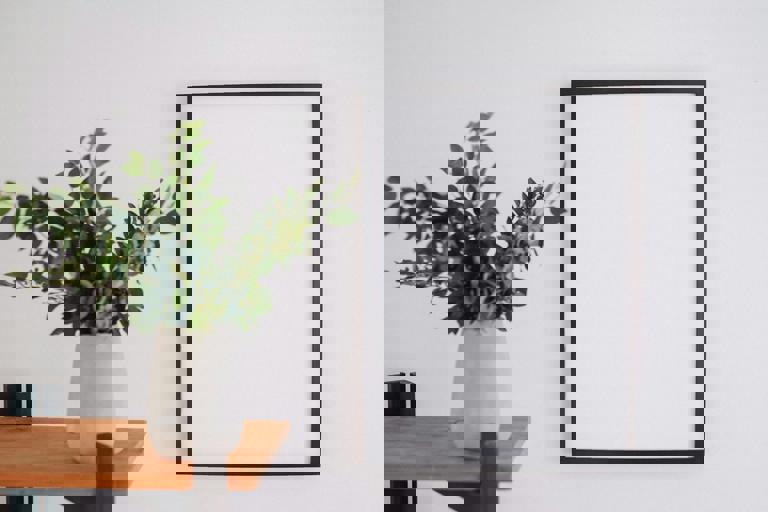
The minimalist living trend is steadily capturing the imagination of individuals across Great Britain, as more people are searching for ways to declutter their environments and, consequently, their lives. Minimalism, once perceived as a niche lifestyle, has become a mainstream movement that advocates for simplicity, intentionality, and mindfulness in home design. This shift reflects a deeper cultural response to growing consumerism and the increasingly busy pace of modern life.
Behind this growing movement is the principle of "less is more." Followers of minimalism argue that with fewer possessions, there is greater freedom—both mental and physical. "When you reduce the amount of stuff in your home, you're left with what truly matters," explains Harriet Covey, an interior designer specializing in minimalist spaces. She notes that many clients are drawn to minimalism to counteract feelings of overwhelm and stress.
The shift towards quality over quantity is central to this trend. Minimalist enthusiasts are making conscious decisions to invest in fewer, but higher-quality belongings, rather than constantly acquiring new items. According to a 2023 survey conducted by the British Home Improvement Association, 42% of respondents reported that embracing minimalist principles helped them make more mindful purchases and reduced impulse spending, leading to greater satisfaction with their homes.
Decluttering is often the first step for those adopting minimalism. The process involves systematically sorting possessions, carefully evaluating what adds value to daily life, and letting go of everything else. This can be both liberating and challenging. Many find it transformative, with some likening it to a form of self-care. Marie Kondo’s bestselling book and Netflix series continue to influence Britons, serving as a practical guide for beginners.
Minimalist interiors typically boast clean lines, neutral palettes, and open spaces. Rather than appearing stark or cold, the best-designed minimalist homes incorporate warmth and texture through carefully chosen materials like wood, linen, and stone. Lighting is also thoughtfully curated, favoring soft natural light where possible, which not only enhances the sense of space but also contributes to overall wellbeing.
Technology and digital devices have also played a role in fuelling the minimalist movement. With the rise of streaming services and cloud storage, many Britons no longer need to store large collections of DVDs, CDs, or books, freeing up physical space. Smart home gadgets also allow for streamlined living, enabling residents to reduce clutter and maintain a tidy environment more efficiently than ever before.
Critics of minimalism argue that the movement can sometimes border on impracticality, especially for families with children or those living in smaller spaces. Yet, adherents counter that minimalism does not demand deprivation. Instead, it's about making conscious choices that fit each individual's lifestyle. "It's not about owning nothing, but about each item earning its place," says lifestyle blogger Rachel Foster, who documents her family's minimalist journey online.
The pandemic years played a significant role in accelerating this trend, as extended periods at home led many to reevaluate their surroundings. Lockdown prompted a surge in home organisation projects, with charity shops witnessing record donations and online marketplaces booming with secondhand goods. According to the Office for National Statistics, over one-third of Britons reported decluttering during this period, with many expressing an intention to maintain minimalist habits long-term.
Minimalism’s appeal extends beyond aesthetics and convenience. Advocates highlight that living with less not only reduces household stress but also diminishes environmental impact. By curbing overconsumption and favouring sustainable materials, minimalists contribute to waste reduction and lower carbon footprints. Environmental psychologist Dr. Steven Hayes observes, "Minimalism can be an entry point into more eco-conscious living that benefits both individuals and the planet."
The trend has given rise to a variety of minimalist-oriented businesses, from bespoke furniture makers to zero-waste homeware shops. Social media platforms such as Instagram and Pinterest are filled with photos of pristine, clutter-free interiors and instructional content about achieving minimalism. Workshops and events focused on minimalist living are being held in cities across the UK, helping those interested exchange ideas and gain support along their journeys.
As the minimalist living trend continues to gain traction, it appears poised to shape the future of domestic life in Great Britain. While the journey is deeply personal for each follower, the collective message remains powerful: freedom and contentment can be found not in abundance, but in restraint. As Britons continue to embrace a more intentional way of living, the minimalist movement stands as a testament to the enduring value of simplicity in an increasingly complex world.