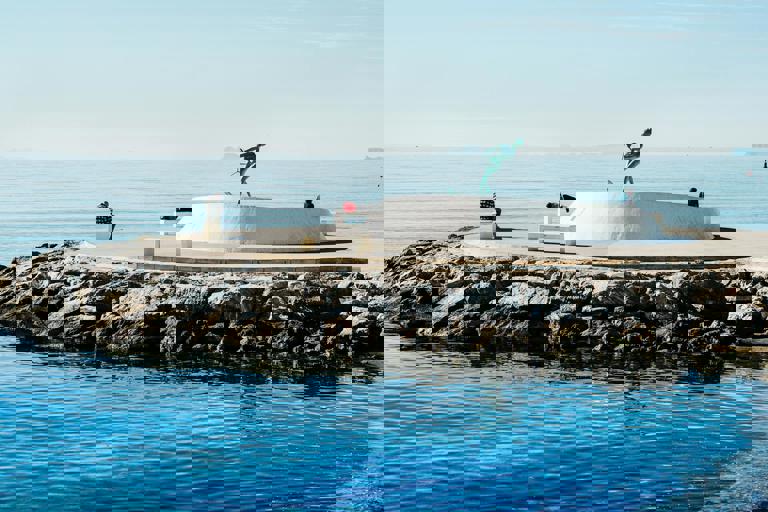
This week, the town’s famous seaside promenade has undergone a remarkable transformation as part of an ambitious open-air sculpture trail. There, bold new art installations have emerged against a backdrop of rolling waves and bustling vacationers. The event’s organisers, working with a range of contemporary artists, have turned the once-familiar stretch into a vibrant outdoor gallery, inviting locals and tourists alike to engage with public art in unexpected ways.
The trail features more than fifteen large-scale sculptures, each created by a different artist renowned in contemporary circles. Organisers revealed that several pieces were specifically designed to interact with hallmark elements of the seaside environment—rocky outcrops, classic Victorian shelters, and even the famous wildflower beds. The installations range from towering abstract forms to whimsical reimaginings of the area’s maritime heritage, ensuring a visually dynamic experience for visitors of all ages.
As part of the trail’s unveiling, crowds gathered at sunrise to witness artists put final touches on their installations. Many attendees shared their enthusiasm, with one local resident, Jane Morris, stating, “I walk this promenade every morning, and to see it transformed by art feels magical. It gives our town a fresh energy while respecting its character.” Such sentiments have been echoed on social media, where images of the artworks have quickly gained traction.
Among the standout pieces is ‘Tide & Time’, a kinetic sculpture composed of recyclable metals, which moves with the sea breeze. Its creator, British artist Leon Watkins, explained, “I wanted to capture the eternal motion of the coast—how it never stands still, much like the community here.” The sculpture’s shimmering panels reflect not just sunlight but the diversity and resilience of the local area.
Another highlight is ‘Shelters Reimagined’, crafted by emerging artist Priya Desai. This installation repurposes wooden slats from decommissioned beach huts, arranging them into archways that frame distinctive views of the water. Desai notes, “It’s about inviting people to rethink what’s familiar—to see beauty in what’s often overlooked, and to rediscover their own relationship with the sea.” Her approach has been celebrated for its environmental awareness and clever use of local materials.
The sculpture trail is not simply about visual enjoyment; it also offers an interactive digital component. QR codes on each installation provide access to behind-the-scenes videos, artist interviews, and augmented reality features. According to trail organiser George Atwood, “We wanted to make this as immersive as possible. People can learn about each piece, the techniques involved, and even leave voice notes with their reactions.” This blend of technology and tradition has attracted special interest from younger visitors.
The organisers partnered with local schools and universities to extend the event’s impact. Students participated in guided workshops led by several of the exhibiting artists, with some even contributing smaller artworks along the route. Teacher Lisa Drummond remarked, “It’s the perfect platform for young people to express themselves and see how art can shape public spaces. The sense of pride among students is palpable.”
Feedback from local businesses has been overwhelmingly positive, with many noting a significant uptick in foot traffic since the trail’s opening. Café owner Robert Ling shared, “We’ve seen far more families and groups than usual. People stop in for coffee after wandering the trail, and it’s wonderful to be part of an event that brings the entire community together.” The economic ripple effect is anticipated to continue throughout the exhibition’s run.
In a bid to make the trail accessible to all, the organisers have ensured that pathways are wide, smooth, and wheelchair-friendly. Printed guides are available in multiple languages, including Braille, and there are frequent resting spots thoughtfully placed along the promenade. This commitment to inclusivity has drawn praise from advocacy groups, who hope it will set a benchmark for future public art projects in the region.
Significantly, the event also reflects the area’s long-standing tradition of coastal creativity. Over the decades, the promenade has inspired poets, painters, and performers, but never before on such a grand, collaborative scale. Local historian David Fenwick commented, “This is a bold continuation of our artistic legacy. The blend of contemporary art with recognisable sites makes it both fresh and deeply rooted in our culture.”
To ensure the environmental sustainability of the event, all sculptures were constructed using responsibly sourced or repurposed materials. Organisers partnered with regional recycling centres and conservation groups to minimise waste, and interpretive signage educates visitors about each piece’s ecological context. The green practices underpinning the trailed have added another layer of resonance to the overall experience, appealing to eco-conscious attendees.
The open-air sculpture trail will remain for six weeks, with plans underway for guided twilight tours and creative workshops throughout its duration. As the sun sets over the horizon, the promenade’s transformation serves as a celebration of both art and place—a testament to community spirit and the potential for creative interventions to breathe new life into cherished, familiar settings. Art lovers, residents, and visitors from across the UK are encouraged to explore this extraordinary cultural event before it concludes.